

On the XBox 360 and PS3 there was the constant bombardment of exclusive titles like Gears of War, Halo and Forza versus Killzone, Resistance, Gran Turismo and for some sports gamers – MLB: The Show. Now that the next generation of consoles have finally started to become more common in households around the world it is interesting to see that the focus has shifted away from the exclusive titles and more towards the features of the systems themselves.

Sure, there are games that XBox One and PS4 have exclusive agreements and rights for, but they aren’t exactly the same type of focus that we saw last generation. While there are some gamers out there that will have certain games that they simply must have like the Halo or Killzone titles for each respective console… that time is changing.
One of the most obvious changes can be seen in the Metal Gear franchise. Metal Gear has always been a Hideo Kojima/Konami production. In saying that – it has also almost always been seen as a Sony Playstation title as well. Now that they have announced Metal Gear Solid 5 is going to be multi-platform it seems that they are starting to realize that more console availability also means more sales overall. This isn’t always a blessing as other content within the game will be exclusive to each console. This is more annoying than anything as it drives many gamers to wonder why they bother spending more and more money on microtransactions.
With multi-platform releases like Call of Duty, Battlefield, Madden NFL and other titles that prefer mass marketing based on volume of sales rather than simply having an agreement with a certain company to release on a specific console. The one caveat to this is when companies like EA and Activision make agreements (like they did with Microsoft) to release certain downloadable content (DLC) on one console before other another. This is a practice that is rather insulting to users that buy a game like Battlefield 4 on PS3/4, XBox 360 and especially PC as well as purchasing the $50 ‘Premium’ service. Primarily because they are being cheated out of content that is obviously available for XBox One users far earlier than anyone else that have purchased the same service for a different platform.
As we enter into a new era of gaming and an eventual move into a focus on digital content, it will be interesting to see how long exclusivity really plays a role in corporate gaming decision making. As it stands, there are a lot of gamers that are sick of feeling cheated out of their money when it comes to ‘exclusive’ titles and other DLC not being available for whatever reason.


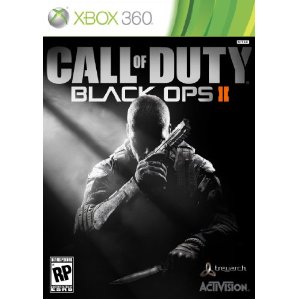

 Arcade/Deathmatch Style – Call of Duty is the quintessential example of shooter games that revolve around picking up the controller and smacking other gamers in the face. It is a fast-paced game with slight differences between weapons. Not to mention a huge group of core gamers that are dedicated to the game they have come to love (or even sometimes, hate).
 Objective Based/Simulation – Battlefield 3 is designed with huge maps and team-play as the primary components. While some of the interactions with vehicles is far from ‘simulation’ the weapons and handling of the game in-general present a much more ‘realistic’ feel to the game. The recoil of the weapons makes for tough decisions to be made at times when you try to determine if you want more power or more control. This is a primary difference between BF3 and COD games.
 Sci-Fi/Fantasy – Halo, Fallout and The Elder Scrolls series all fall into this category for the most part. They are either based in a realm that doesn’t exist or in some sort of alternate universe. Fallout is the only potential threat to this category, but in reality it still has ‘laser’ weapons. Much like Fallout, Skyrim has magic and other spells that make it fantasy related. Halo is based on other planets or regions of the universe and uses weapons that either don’t exist or close to that description.
 has managed to sneak up on many gamers this year. It could be a case of the series being over-produced and pushed to its creative limit. It could also be a situation where people have pretty much had their fill with Halo and the expected gameplay that has become synonymous with the Halo series.


 NoobTubeTV